Product / Features
Four surfaces. One job state.
The dispatch board, the field app, the customer feed, and the reporting layer. Same underlying job model. State changes propagate inside 60 seconds across every surface.
Dispatch board
Drag-and-drop, with the constraints baked in.
Drag-and-drop assignment of jobs to technicians. Visible technician availability against the day, week, or month. Conflict detection on travel time, skill match, and work-window constraints.
- Travel detectionLive traffic from Google Routes API + tech home base
- Skill matchingTag-based; soft-warns on near matches, hard-blocks misses
- OverbookingSoft warn with explicit override; logs the override on the job
- Auto-routeJobs without manual assignment route to nearest qualified tech
Field app
iOS and Android. Full offline.
Day’s schedule, turn-by-turn navigation, time tracking, photo capture, customer signature, parts log, payment capture. Works offline — sync on reconnect. The field app is what most teams will use most, so we put 80 percent of our engineering time into it.
Turn-by-turn
Hands off to Apple Maps, Google Maps, or Waze based on tech preference. ETA flows back to the dispatch board automatically.
Photo, signature, parts
Photos compressed in-app to under 200KB before sync. Signature on glass. Parts logged by SKU or free text, both fine.
Tap-to-pay + invoice link
Tap-to-pay on iOS and modern Android. Or send an invoice link via SMS — customer pays the same evening, payment writes back to the accounting system inside 60 seconds.
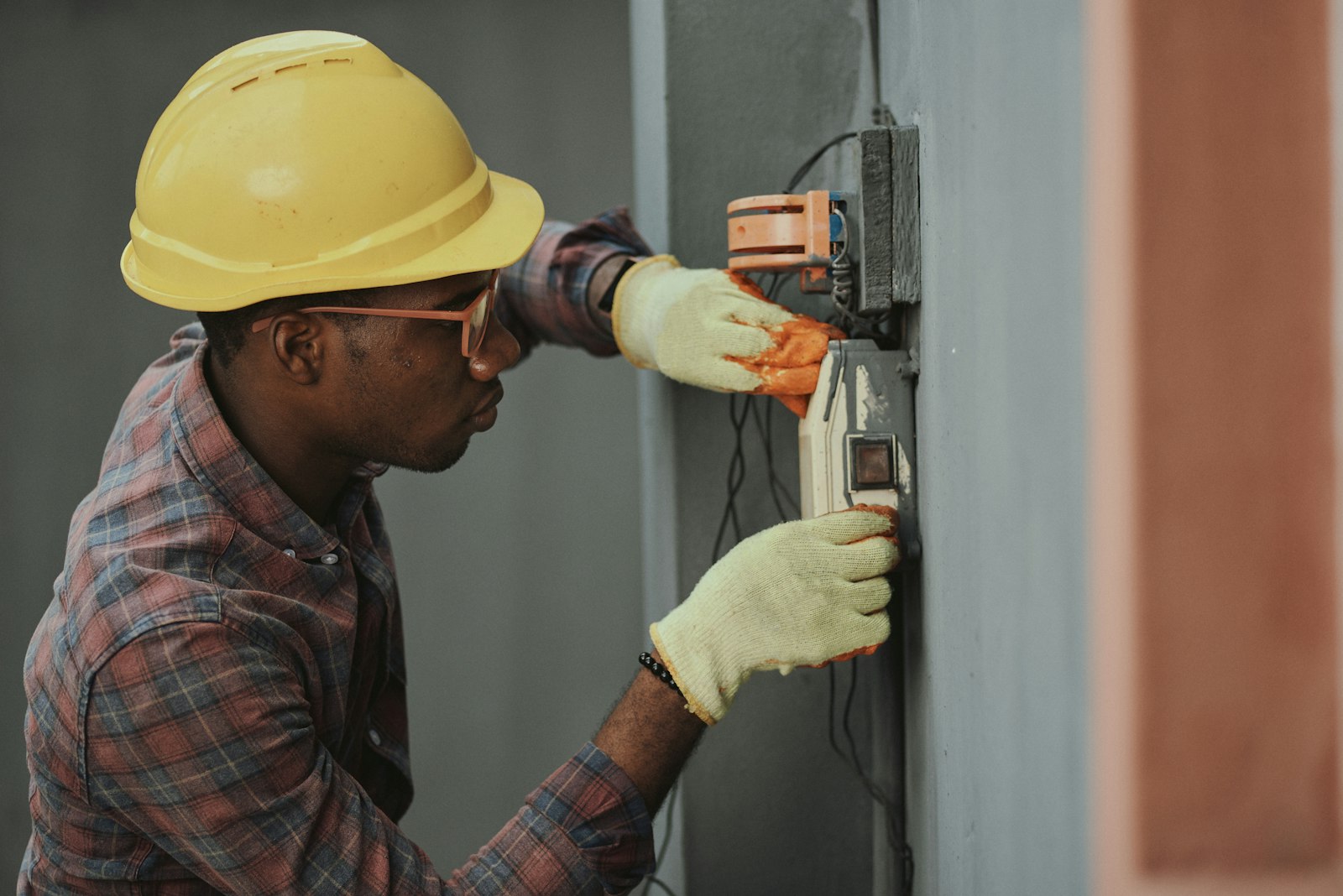
Field-first
Designed against gloves, sunlight, and a 4G dead zone.
Tap targets sized for work gloves. High-contrast UI for direct sun. Full offline mode for the dead zones every service area has. The field app is the surface our techs spend 6 hours a day in — we ship to it twice a week.
The crash-free session rate sat at 99.6 percent over the last 90 days.
Customer notifications
SMS + email, fired by job state.
Auto-fired SMS and email at booking, en-route, on-site, and completion. The on-route message includes a live ETA pulled from the tech’s GPS feed. Templates editable. Most teams cut inbound “where is the tech” calls 60 to 80 percent in the first month.
“Where is the tech” calls dropped 71% in our first quarter. That alone justified the switch. Regional HVAC, 67 technicians
Reporting
Four metrics. Then CSV.
Tech utilization, job profitability, customer lifetime value, first-call-resolution rate. We surface the four metrics that matter; we don’t try to be a BI tool. Export to CSV for everything else.
- Tech utilizationBillable hours / scheduled hours, by tech, by week
- Job profitabilityRevenue — labor cost — parts cost, by job and by job type
- Customer LTVTrailing 24 months, by customer, by service category
- First-call resolutionJobs completed in one visit / all jobs, by tech and team