Customers
220 paying teams. Three stories below.
We have 220 paying teams using FieldOps as of last month. The numbers cited are real, anonymized only when the customer asked us to.

Case study
Regional HVAC · 67 technicians.
Switched from a competitor in 2023. Cut dispatcher headcount from 5 to 3 in the first quarter. Tech utilization climbed from 62 percent to 78 percent in 90 days. Customer “where’s the tech” calls dropped 71 percent.
- Dispatchers5 → 3 inside Q1
- Tech utilization62% → 78% in 90 days
- “Where’s the tech” callsDown 71%
- Migration time6 weeks parallel run
Case study
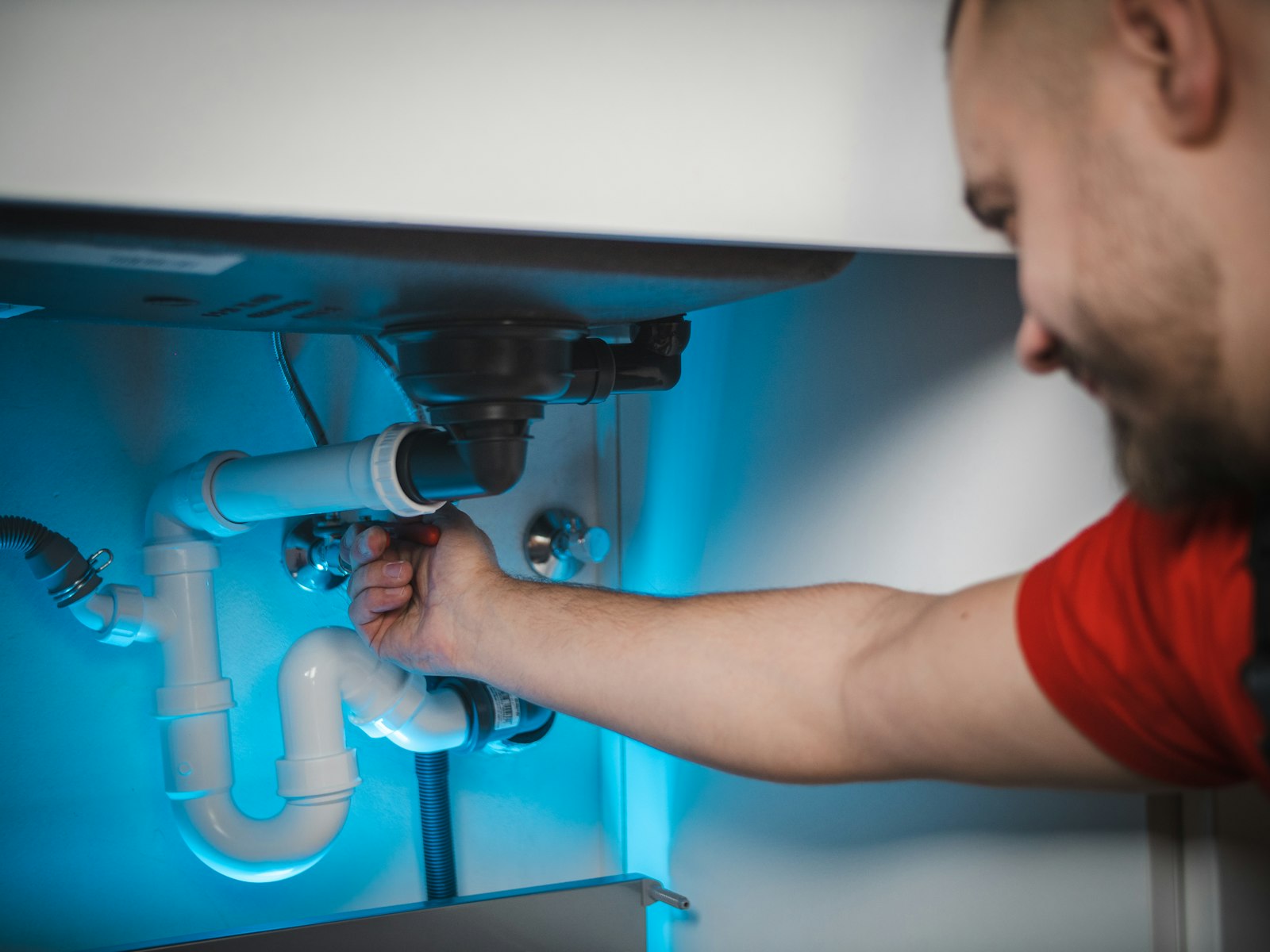
Plumbing co-op · 14 technicians.
Came from spreadsheets and a shared inbox. Onboarded across two weeks. First-call-resolution rate climbed from 71 percent to 89 percent within four months as the techs started arriving with the right parts.
The parts log on the field app is what unlocked the first-call-resolution number. We weren’t tracking it before. Now the dispatcher pre-stages the truck based on yesterday’s parts log. Operations lead, plumbing co-op
Case study
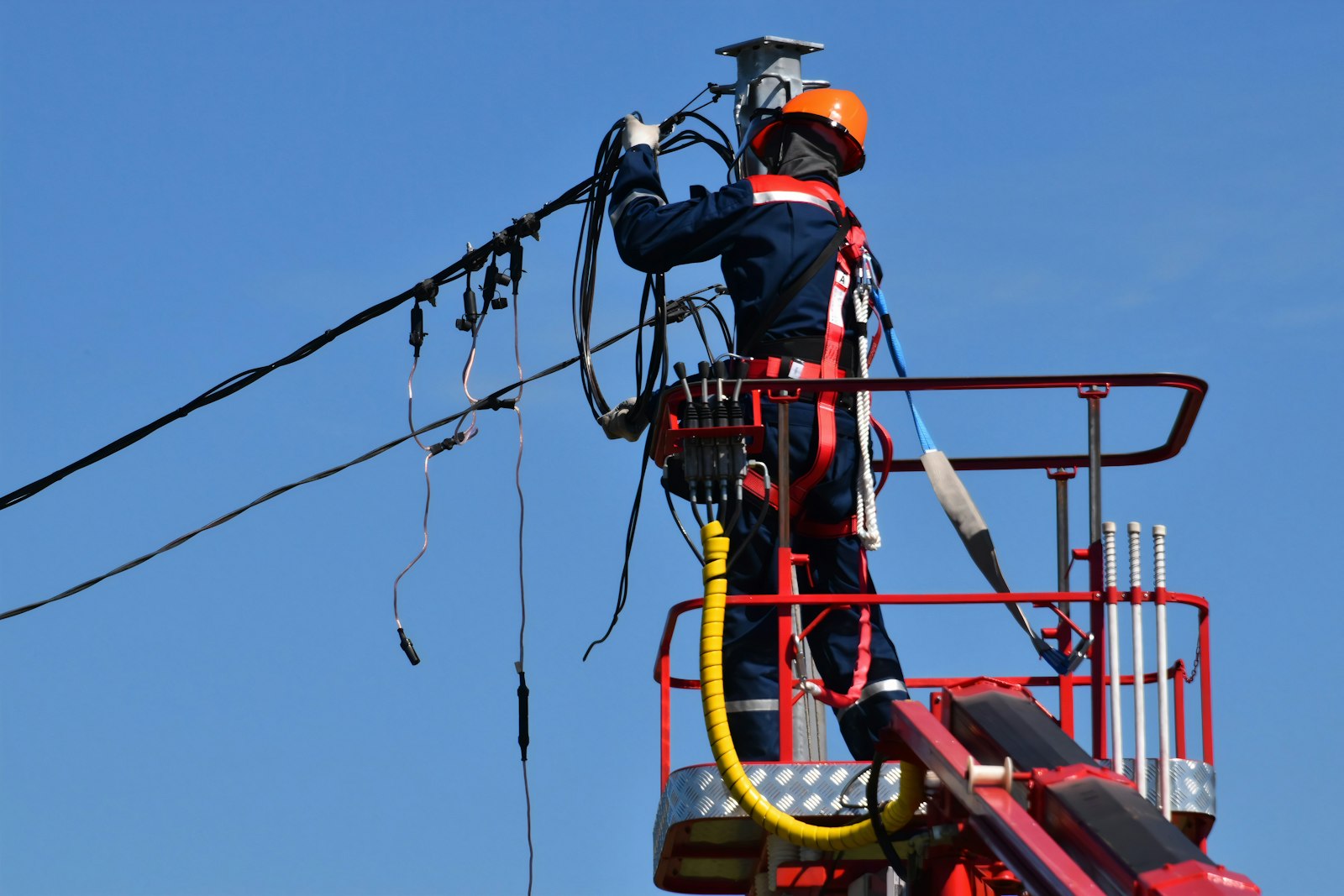
Electrical contractor · 174 technicians.
Our largest customer. Migrated from a legacy field-service system over six weeks. Dispatcher load dropped 40 percent. Technicians regained an average of 38 minutes per day of useful field time. Year-over-year revenue per technician up 11 percent.
- Dispatcher loadDown 40% (same headcount)
- Field time recovered+38 min / tech / day
- Revenue / tech, YoY+11%
- Migration time6 weeks, three sub-rollouts by region